It is an oversimplification, but I find it useful to contrast two different approaches to AI sovereignty: China’s public sector-led model versus the private sector-led approach exemplified by the US. What I find most striking is China’s ability to advance a strategy that serves multiple goals simultaneously, from climate action to AI infrastructure, with impressive (…)
The Center for Digital Trust (C4DT) hosted the hands‑on workshop “LLM Benchmarking” on May 19th 2026. Thirteen attendees from a wide range of our partners, ELCA, Kudelski, SICPA and Swisscom, gathered to learn how to use benchmarks to choose the best LLM model for their use cases. The day‑long event started off with a lecture on (…)
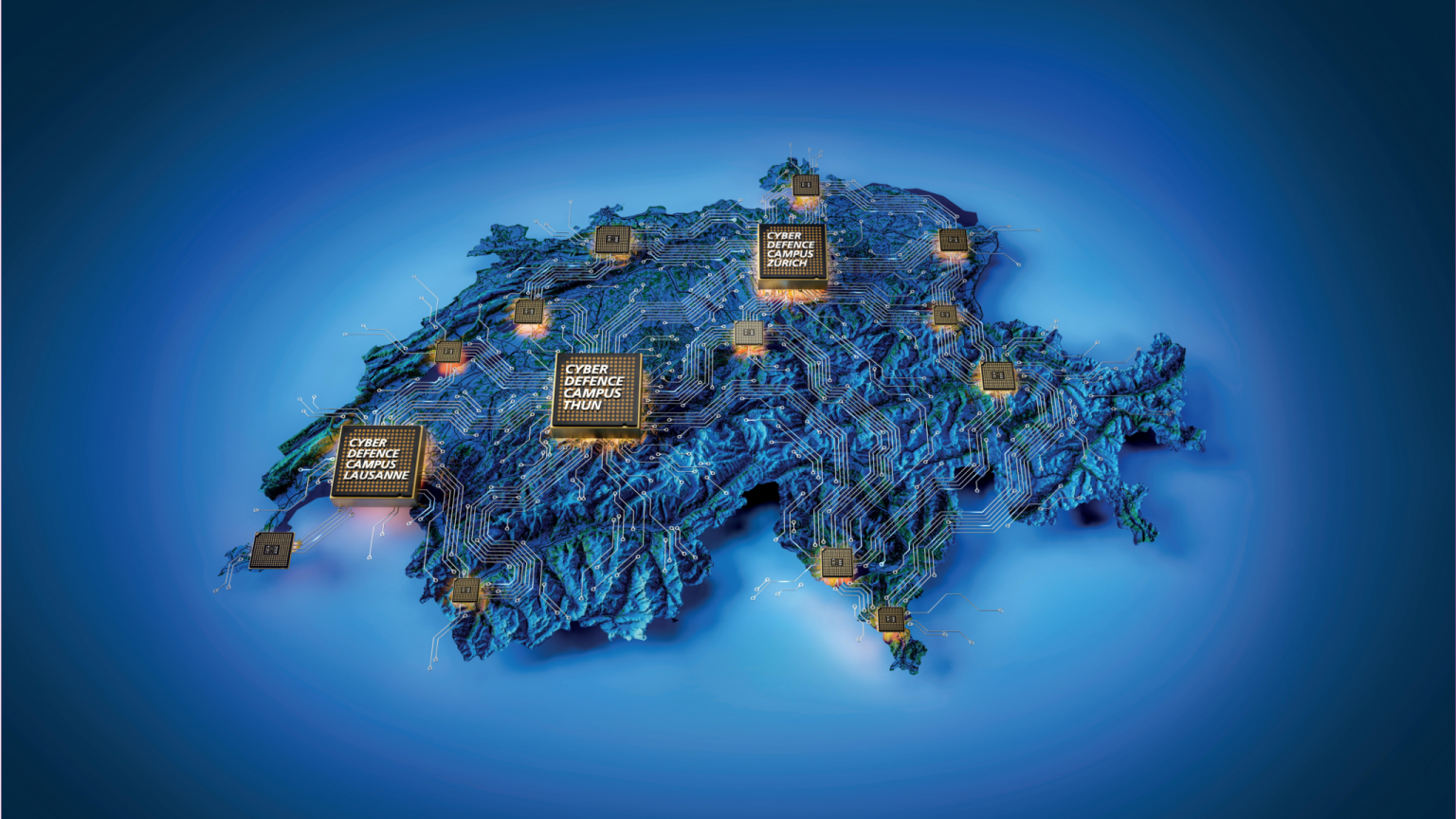
To promote research and education in cyber-defence, the EPFL and the Cyber-Defence Campus have jointly launched the “CYD Fellowships – A Talent Program for Cyber-Defence Research. ”The 14th call for applications is now open with a deadline of 19 August 2026 for Doctoral and Distinguished Postdoctoral Fellowship applications.
A slightly morbid example of how you never know what your data might eventually be used for. Although this is not exactly a classical case of your privacy being violated, I have some doubts that everyone who enthusiastically chased cute virtual monsters in their neighborhood would also have volunteered to collect data to train military (…)
I always enjoy Melanie Mitchell’s insightful articles. Her latest article gives a tour of the most important findings on how ‘intelligent’ today’s LLMs truly are. I particularly enjoyed her discussion on how the terms we choose to talk about these technologies not only determine how we perceive them, but even inform what kind of ‘intelligence’ (…)
I’m very surprised this hasn’t been more covered in the media: Microsoft handed over data belonging to the Dutch government to the US House of Representatives. In compliance with the US CLOUD Act, the emails, notes, and appointments of civil servants working on the Digital Service Act were expatriated to the US. The CLOUD Act (…)

Across Europe and around the world, democracy is under increasing pressure. Disinformation, distrust and growing divisions threaten to erode the freedoms and values that have long supported peaceful and resilient societies. The Caux Democracy Forum 2026 is bringing together changemakers, policymakers, entrepreneurs and engaged citizens to come together to revitalize democracy, renew hope, foster healing and strengthen human security. C4DT is pleased to announce that we will be organizing a session at this year’s forum: “The Democracy Stack: Moving Democracy to the Digital Realm.”
Canada’s new AI strategy treats AI as critical infrastructure and targets all layers of the sovereignty stack, from cloud infrastructure and semiconductor capacity to data ownership and talent development. Notably, the strategy includes support for SMEs as a key lever toward AI sovereignty. I’m eager to see what AI sovereignty will look like in five (…)
The EU’s Technological Sovereignty Package represents a significant strategic development. It intends to establish Europe as a credible third force between the US and Chinese tech blocs, showcasing a clear ambition to develop the entire tech stack, from semiconductors to cloud computing, artificial intelligence and open-source software. This approach contrasts with Switzerland’s slower decision-making processes. (…)
I find this interesting because it extends the debate about digital sovereignty beyond software and hardware to the scarce resource of satellite communication spectrum. The EU’s 20-year strategy clearly demonstrates its vision for autonomous, secure infrastructure, such as the IRIS² project. I hope this assertive yet justified strategy progresses without provoking retaliation from the US (…)
This piece offers an optimistic path forward for AI governance. Rather than searching for consensus on abstract ethical principles, we can build on the public values that our societies have already agreed upon. The author also makes the important point that experimentation in AI governance will inevitably produce failures and that this is not only (…)

As the global AI landscape consolidates around US and Chinese dominance, every nation outside this duopoly faces an urgent question: how can countries retain meaningful control over a technology increasingly expected to shape their economic competitiveness, national security, and societal resilience? From the viability of sovereign cloud architectures and open-weight foundation models to the governance mechanisms needed to ensure AI systems reflect Swiss values and legal frameworks, this conference brings together industry leaders, researchers, legal experts, policymakers, and civil society actors to assess the concrete levers of AI sovereignty and work toward actionable recommendations for a Swiss sovereign AI strategy.
In case you want to start a small project, but want to avoid the US or Chinese hyperscalers, here are some EU-owned solutions for you. I like this list, not because I want to promote these services, but rather because it shows that the EU is gaining traction on providing credible and competitive basic services. (…)
It’s encouraging to see digital sovereignty discussions beginning to bear fruit, though much of that fruit is still unripe. The more closely the non-US community examines the issue, the more complex it becomes: ‘sovereign’ cloud computing means little if the underlying hardware is produced in the US or China. A server is not just one (…)
The global tech industry has concentrated the production of its most critical hardware on a single island, with almost zero redundancy. It is worth noting that a disruption would not necessarily require an invasion; a grey-zone coast guard quarantine could result in the immediate cessation of chip exports. The article also highlights the vulnerability of (…)

November 10th, 2026, 09h30-18h00, Starling Hotel, 1025 Saint-Sulpice This event is an official Road to Geneva event, approved as part of the Geneva AI Summit 2027 pre-event programme. The Geneva AI Summit will take place on 21–22 June 2027 at Palexpo, Geneva. Follow the conversation using #GenevaAISummit and #RoadtoGeneva. In brief: Global AI capability is (…)
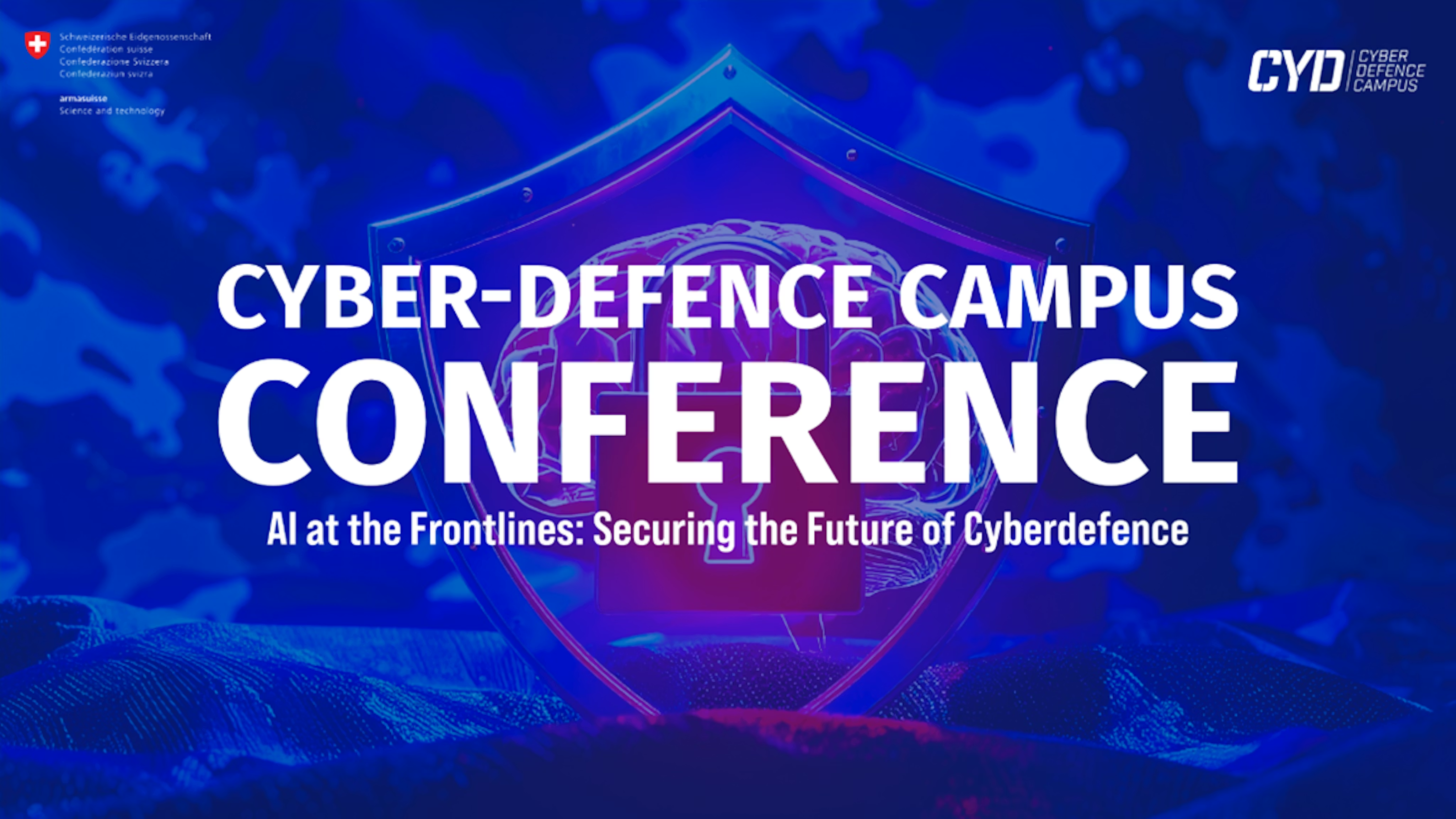
Entitled ‘AI at the Frontlines: Securing the Future of Cyber Defence’, the conference will focus on the opportunities and challenges of artificial intelligence in cyber defence. National and international experts from research, industry and administration will discuss current developments, security issues and strategic perspectives in order to shape the future of cyber defence.
The article is a reminder that the real risk in gen AI is dependency, not just price. If a security team cannot predict the cost or availability of the AI service it depends on, it cannot fully govern that service. And when you cannot govern a tool you depend on, you have a sovereignty problem.
What makes Stanford HAI’s AI Index valuable is its data-driven, long-term perspective, which provides a welcome antidote to sensationalist headlines. Key signals: AI capabilities are not plateauing, the US-China gap has closed, and responsible AI is not keeping pace with AI capability. As for Switzerland, it ranks #1 globally in AI talent per capita, yet (…)
This blog piece proposes an “inverse” version of Asimov’s three laws of robotics. While the original laws were designed to protect humans from harm by robots, these inverse laws are designed to protect us from ourselves by providing guidance on how to interact responsibly with LLM-generated content. At a time when information has never been (…)
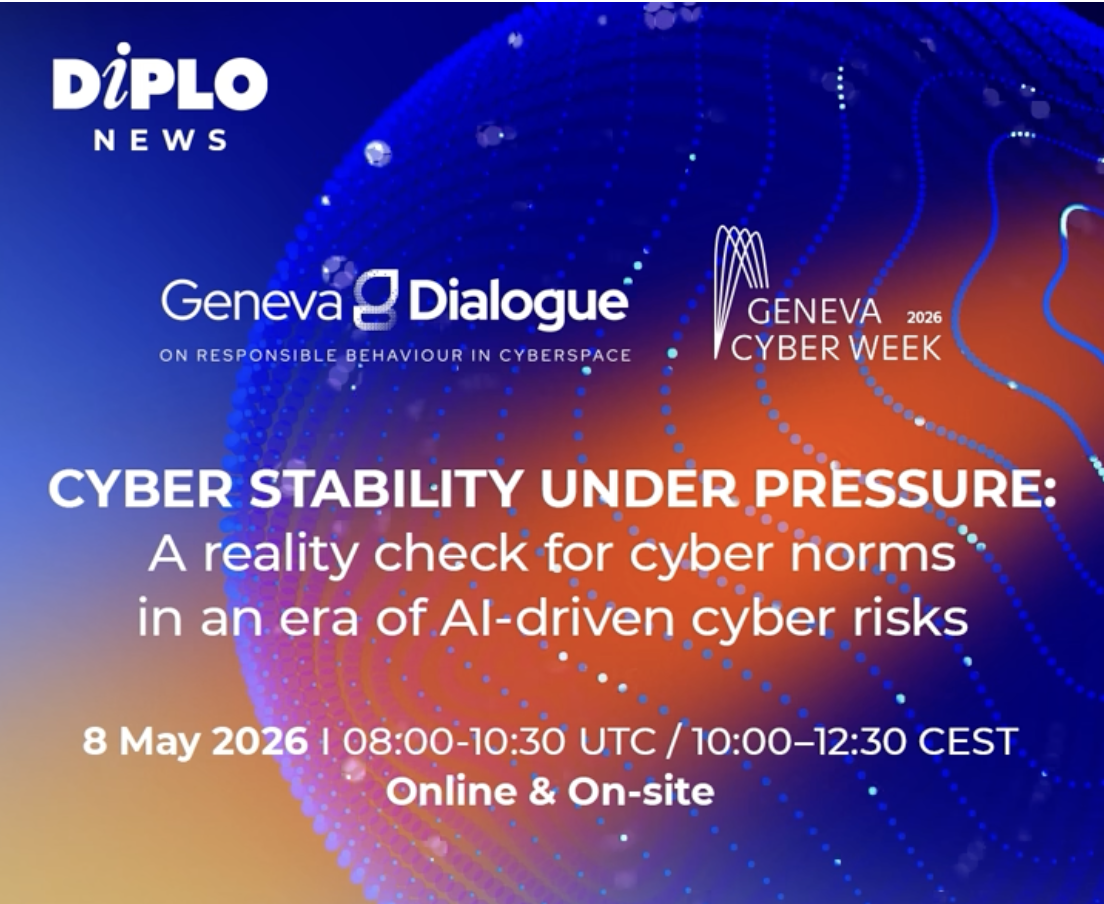
The Geneva Dialogue on Responsible Behaviour in Cyberspace is bringing together key stakeholders during Geneva Cyber Week to explore how AI is transforming cyber threats and whether existing cyber norms can keep up with rapidly evolving technology — particularly when the same tools can be used for both attack and defence.
This text is compelling because it confirms a core geopolitical truth that I often emphasise: digital sovereignty cannot exist without physical infrastructure. Remarkably, China has swiftly progressed from AI policy intent to fabrication plants, chips and deployment, initially for inference purposes, but already on a strategic scale. The export-clearance imbroglio also shows how regulation can (…)
This is a very thorough description of a bug detected in a Zero Knowledge Proof (ZKP) library used by a blockchain. If you are interested in how modern ZKPs work, this article gives a condensed overview of what is happening in a ZKP, and what the security guarantees are. As always, the devil is in (…)
Talkspace has been using patients’ therapy session data to train an AI chatbot, and undoubtedly, many of them have no idea. It is well documented that most users do not read terms of service closely enough to understand what they’re actually consenting to. Even if they did, Talkspace’s assurances that the data is “anonymized” are (…)