I think this take on the state of AI adoption is spot on. Since ChatGPT made its public debut, we’ve been promised large-scale transformation of the workplace and society at large. But a little over three years in, apart from very specific tasks, we’re still unclear what this supposed revolution will actually look like, and (…)

C4DT is pleased to announce the event RSE Suisse Romand Meetup at EPFL, CM 1 105 on Tuesday, 2 June, from 9:30am to 4pm. The goal is to gather the Swiss-Romand RSEs (Geneva, Vaud, Valais, Neuchâtel, Jura, parts of Bern and Fribourg) to exchange and prepare for the upcoming CH-wide RSE meetup on the 31st of August in Zurich! But mostly to get to know each other and share the good news of Research Software Engineering.
What I appreciated about this article was the unfiltered opinion of a cybersecurity expert that unpacks how even smart, capable people can become emotionally and cognitively captured by AI systems that flatter, mirror, and intensify their own narratives. It’s admittedly subjective, but sharp and uncomfortably thought-provoking.
This philosophical rumination on whether or not LLMs have a consciousness has actual implications on how to train LLMs and how users will interact with them. It is possible to train LLMs as pure technology and remove any reference to a consciousness, but then alignement becomes very difficult, as there is no basis to anchor (…)
As the use of agents in e-commerce grows, a new concept is emerging: machine-readable trust. Up until now, commercial platforms have been optimizing for human engagement. But to gain traction with agents, which will be executing the first round of filter and selection, successful platforms will be those that demonstrate reliable fulfillment, consistent service, and responsive exception handling, (…)
This article touches on several deeply interconnected problems that go beyond just “bad behavior online”. It’s about the normalization of violence against women in digital spaces, enabled by Telegram’s deliberate hands-off approach to moderation, the anonymity the platform offers, and a regulatory framework that hasn’t kept pace with how these technologies are being weaponized. What (…)
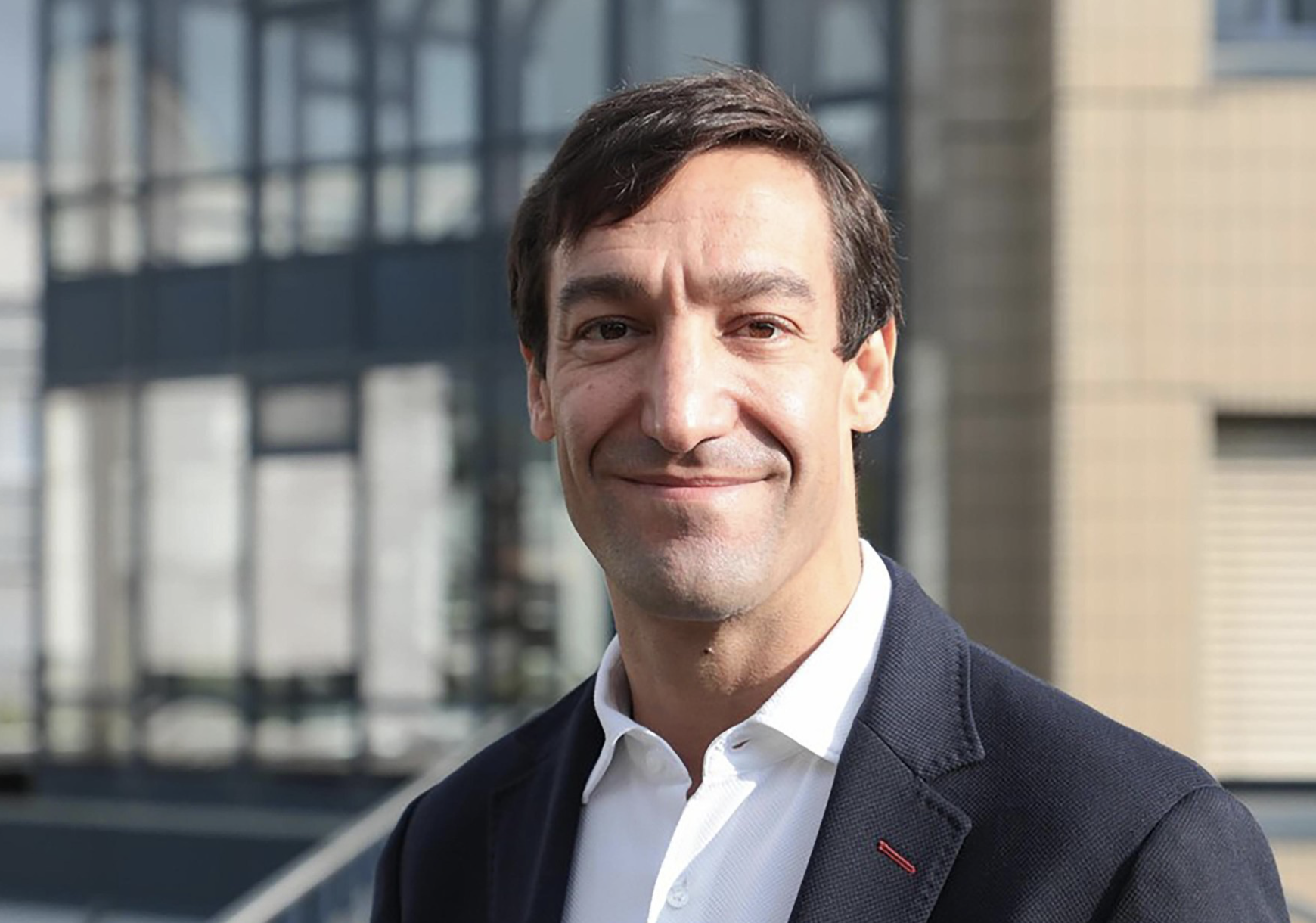
Following a competitive recommendation and peer-review process, EPFL professor of Electrical and Computer Engineering David Atienza has been elected to the prestigious Pan-European Academy of Humanities Letters and Sciences.
Since Anthropic announced that it’ll not publicly release its newest Claude Mythos model because of concerns around its capabilities in exploiting software vulnerabilities, I have been searching for a good analysis of this non-release. I wondered whether this was truly responsible disclosure or nothing but a marketing stunt. Bruce Schneier’s take on it finally answered (…)
I took part in this ‘fibre rush’, and I always emphasise that digitalisation fundamentally requires substantial physical infrastructure. Learning from history can help us to identify patterns that we should take into account during today’s AI boom. However, there are also crucial differences: data centres incur significantly higher maintenance costs, and GPUs depreciate much faster (…)
We’re used to the terms “echo chambers” and “filter bubbles” when discussing the dangers of social networks, search engines, and personalized ads. Now, with AI chatbots, a new term joins the ranks: “sycophancy”, or telling people what they want to hear. Could sycophantic chatbots be more harmful than social media echo chambers? My gut says (…)
I strongly believe AI tools that engage citizens directly in shaping policy will be the main engine of future political campaigns. We’re familiar by now with stories about AI influencing voters’ opinions. What’s new here is the use of AI to shape a political party’s principles and policies and making such tools open and usable (…)
Le dernier rapport de l’Office fédéral de la cybersécurité indique une personnalisation et une sophistication des cyberattaques visant les entreprises et les particuliers en Suisse. Quelles sont les menaces les plus dangereuses qui ciblent l’économie? Comment les prévenir? Et comment bien former son personnel face à ces attaques? Giuseppe Bianco, Head Cash Management chez UBS et Olivier Crochat, directeur exécutif du Center for Digital Trust (C4DT) de l’EPFL en débattront avec Anouch Seydtaghia du journal Le Temps.
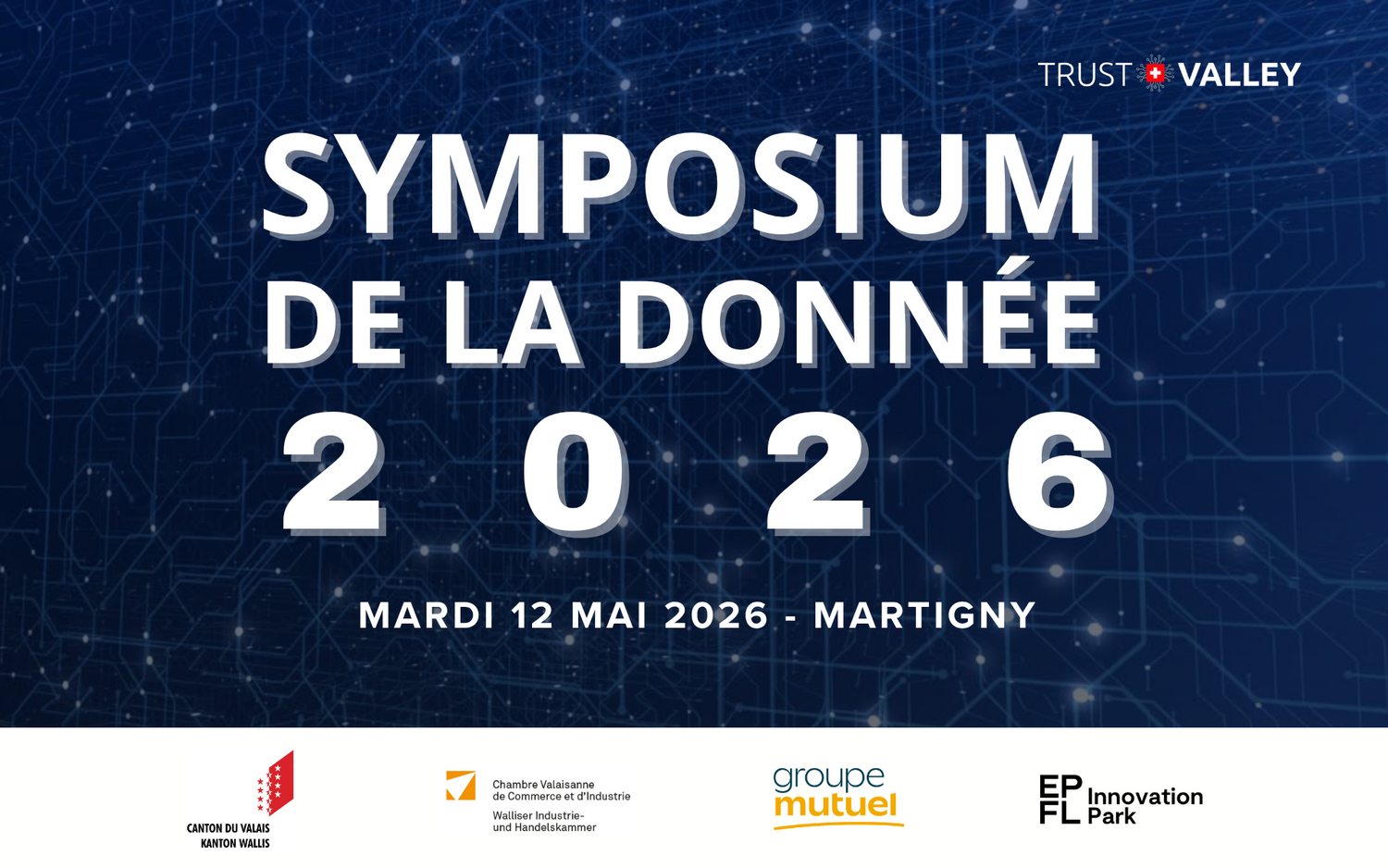
Identité digitale, intelligence artificielle, interopérabilité : les fondations de la santé numérique se transforment en profondeur. Un symposium pour en saisir les enjeux et rencontrer les acteurs qui les façonnent, organisé par Trust Valley à Martigny.

The Swiss IGF 2026 will take place on Tuesday, June 16 at Welle 7 in Bern. Bringing together government, private sector, civil society, and academia, the forum discusses internet governance and policy issues in a Swiss context, feeding into the broader global UN-led Internet Governance Forum. C4DT is pleased to announce that we will be organizing a session at this year’s Swiss IGF annual conference: “Digitalization and Democracy: Friends or Foes?”
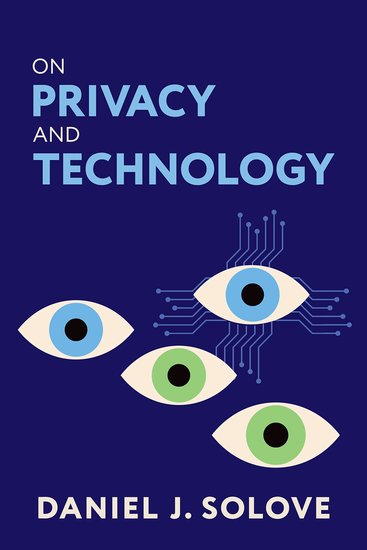
In “On Privacy and Technology”, Prof. Solove distils years of rigorous academic research into an accessible analysis that cuts through the noise surrounding privacy debates with surgical precision. What makes this work particularly compelling is Solove’s unflinching exposure of uncomfortable truths: the consent model is fundamentally flawed, self-regulation has failed and cannot succeed, and current (…)
Finally, the term I’ve been looking for! Technology paternalism: when technical systems shape, restrict, or pre-decide our choices before we can make them. What strikes me most about this concept is how it finds echoes in so many current political debates—collective goals (safety, security, efficiency) versus individual choice; autonomy versus dependency; who holds power and (…)

Choudary, Sangeet Paul (2025) Reshuffle: Who wins when AI restacks the knowledge economy (ISBN-13: 979-8294127213), Independently published, 460 pages. By Olivier Crochat “AI’s value lies less in automating tasks and more in enabling new coordination and decision-making architectures.” In his book Reshuffle, Choudary offers a compelling framework for leaders to navigate the organisational impact of (…)
If you have an iOS device, now is a good time to make sure updates are applied automatically, and get the latest software version. Somebody posted an exploit on GitHub that gives hackers full control of any iOS device not updated since September 2025. Usually, these exploits are usually well-kept secrets, as they are very (…)
If you’ve ever looked to Google Maps for inspiration on where to eat and wondered why a restaurant that you know exists didn’t show up, this video breaks it down for you. What resonates with me is the gap the journalist’s investigation lays bare between what people value (food quality, customer service) and what Google’s (…)

The Swiss Crypto Day is an informal event to promote research in cryptology in Switzerland. In 2026, the sixth edition will be held on September 4th in Zürich. More info will follow soon.

Generative AI models not only replicate but amplify human biases. Though efforts exist to correct these discriminatory biases, they remain hard to identify as they’re often implicit. Anna Sotnikova, a postdoctoral researcher at Bob West’s NLP Lab, affiliated with C4DT, provides an update.
The spread of deepfakes, erosion of trust in authentic images and hallucinating chatbots are today well-known issues. These phenomena are especially problematic in rapidly evolving situations, when people are looking for updates, but reliable information is not yet available. Add algorithmic content distribution to the mix, and you get a perfect storm of misinformation. While (…)
Google startete schon 2010 ein ‘Vulnerability Reward Program’, ein Bug-Bounty für alle Services von Google, das Belohnungen auszahlt, allein 17 Millionen US-$ 2025. Dieser Betrag wurde an mehr als 700 Analysten verteilt, die Fehler in Android, der Google Cloud, aber auch in verbreiteten und häufig gebrauchten Open Source Programmen und Bibliotheken fanden. Auch wenn 17 (…)
The camera hacking issue is problematic because it weaponizes civilian devices without owners’ consent, creating an accountability gap where victims can’t control the security of cameras used against them. It democratizes military intelligence by replacing expensive satellites with cheap consumer cameras,and is nearly impossible to solve since millions of unpatched devices exist worldwide. Most fundamentally, (…)