
In the upcoming Innovation Week, we will delve into the multifaceted aspects of digital trust. Through engaging workshops, insightful panel discussions, and hands-on activities, we aim to explore topics such as digital self-determination, cybersecurity, data privacy, automated decision making and ethical practices and empower stakeholders to navigate the complexities of digital interactions.
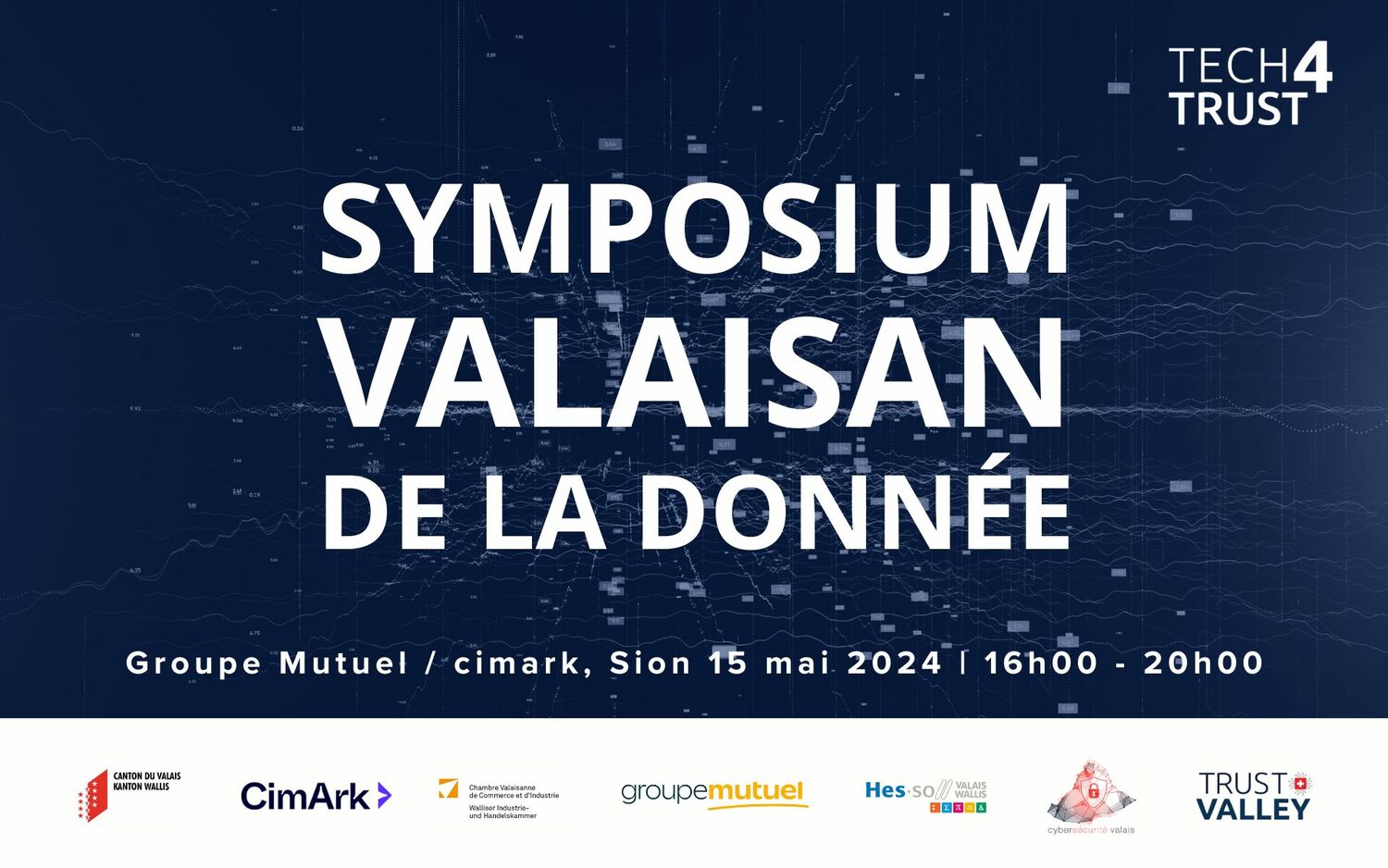
Jointly organized by Trust Valley and Groupe Mutuel, the Symposium Valais is part of the Tech4Trust Roadshow event series, which supports startups in the field of cybersecurity and digital trust. C4DT’s own Prof. Jean-Pierre Hubaux will be keynoting the event. During this Roadshow, expect insightful panel discussions and engaging startup pitches, and discover the issues and challenges related to Ethical & Explainable AI, economy of data, data privacy, data security.
DISCO-DHRIVE is developing a privacy-preserving collaborative learning platform using AI. It allows the building of AI models across different locations without the need to share sensitive data. Tailored to meet ICRC’s unique challenges, including resource scarcity and stringent data confidentiality, the project integrates federated and distributed learning. This approach enables the extraction of valuable insights from sensitive data without compromising their security.
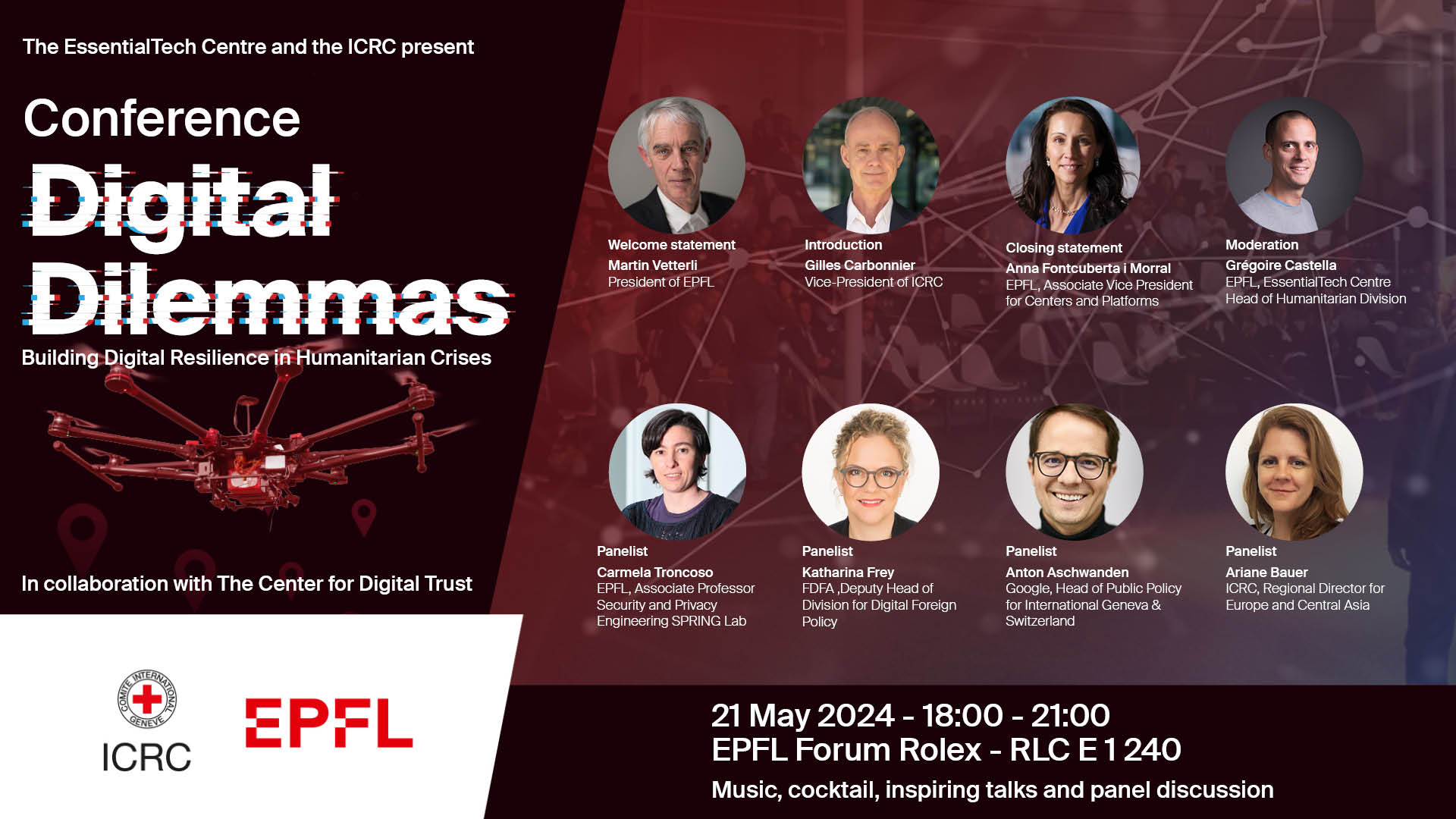
When digital technologies intersect with humanitarian crises, understanding the risks and opportunities they can bring is paramount. Digital Dilemmas: Building Digital Resilience in Humanitarian Crises will explore the real-life consequences technology can have for vulnerable populations in conflict zones. Organized by the EPFL EssentialTech Centre and the ICRC, in partnership with the EPFL Center for Digital Trust (C4DT), it builds on the themes explored by Digital Dilemmas: Humanitarian Consequences, an immersive exhibition at EPFL Pavilions (May 3 – July 14).
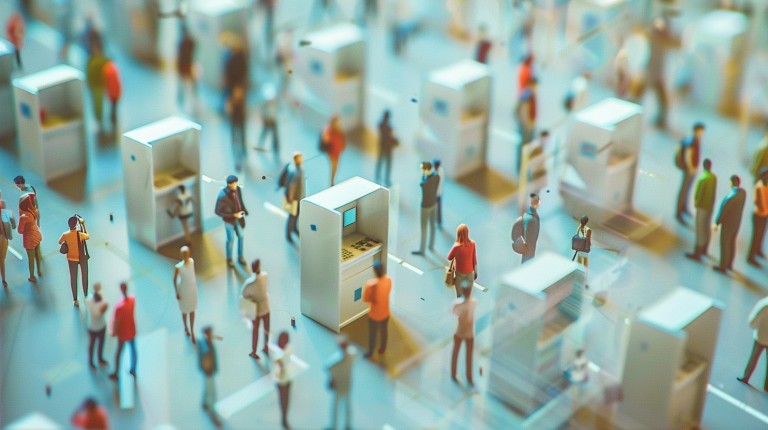
Six years ago, EPFL rolled out an e-voting platform developed by Bryan Ford’s DEDIS lab for its internal elections [2]. The then newly-formed Center for Digital Trust (C4DT) brought this project as one of the first under the umbrella of its Digital-Trust Open Platform, the precursor to what is today the C4DT Factory – (…)
The WSIS+20 Forum High-Level Event will mark a significant milestone of twenty years of progress made in the implementation of the outcomes of the World Summit on the Information Society, which took place in two phases — Geneva in 2003 and Tunis in 2005. Twenty years ago WSIS set the framework for global digital cooperation with a vision to build people-centric, inclusive, and development-oriented information and knowledge societies.

[Lang : Fr][letemps.ch] Censuré en Inde, en lutte avec le système judiciaire brésilien et au cœur de la campagne présidentielle américaine, le réseau social d’Elon Musk est associé de près au débat démocratique. Deux experts analysent son influence.

Inspired by the panel session at this year’s “AI House” panel session on “Transparency in Artificial Intelligence”, this write up very informally summarizes Imad Aad’s thoughts about transparency and trust in AI. It is aimed at readers with all backgrounds, including those who had little or no exposure to AI so far.
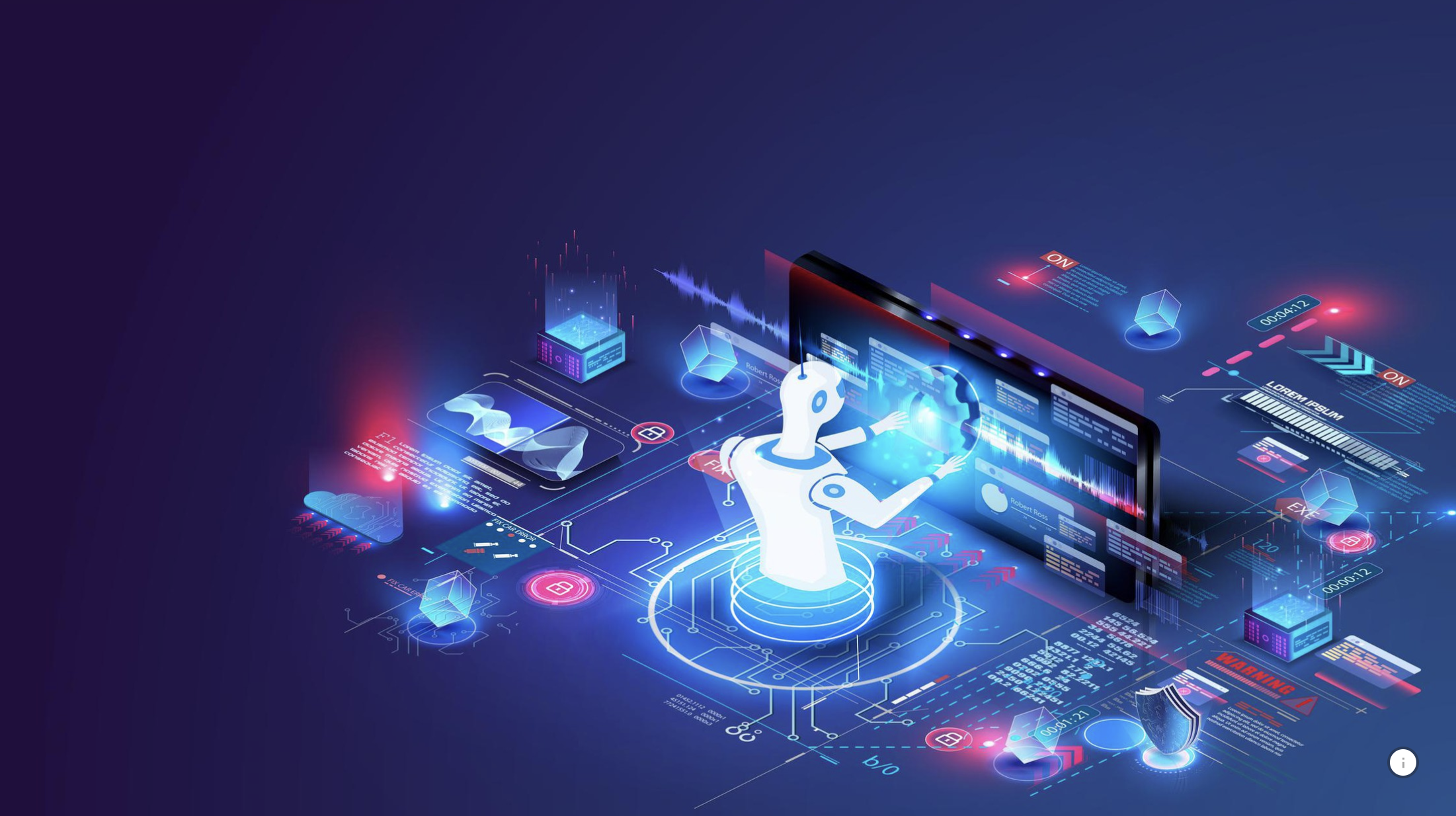
A new EPFL study has demonstrated the persuasive power of Large Language Models, finding that participants debating GPT-4 with access to their personal information were far more likely to change their opinion compared to those who debated humans.
This project underscores the need for a paradigm shift in data privacy policies, acknowledging the inherent trade-off between data utility and privacy that current Privacy Enhancing Technologies (PETs) cannot fully mitigate. It highlights the limitations of PETs and the systemic responsibility issues within the data supply chain, where technology producers often evade accountability. Consequently, a shift towards a data-use case-centric evaluation framework is recommended, one that prioritizes utility while minimizing leakage through nuanced risk assessments. Finally, the porject calls for greater transparency and a redefined accountability structure in the data sharing ecosystem.

The Trust & Finance Forum, an event taking place at the Global Center for Security Policy (GCSP) in Geneva, on May 1st of 2024, to delve into the intersections of trust and finance. We’ll discuss digital trust trends, and explore new opportunities through real success stories in finance.
Our new C4DT Digital Governance Book Review is out! This time: Anu Bradford (2023) “Digital Empires. The Global Battle to Regulate Technology.” In her new book, Bradford offers an in-depth, objective analysis of the three dominant regulatory models for digitalization—market-driven by the US, state-driven by China, and citizen-driven by the EU—and their global impacts on (…)
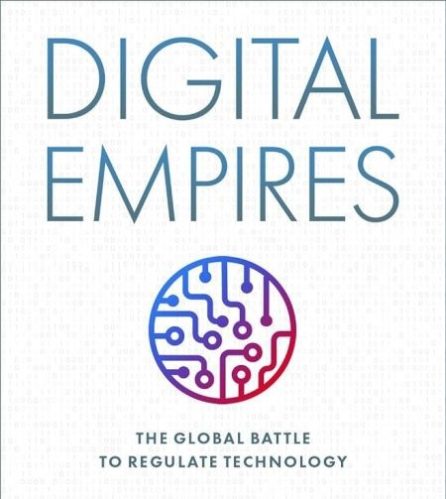
This book offers an in-depth, objective analysis of the three dominant regulatory models for digitalization—market-driven by the US, state-driven by China, and citizen-driven by the EU—and their global impacts on data, digital platforms, and the internet, highlighting the current geo-political struggles and possible future scenarios.
The slowdown in Moore’s Law has pushed high-end GPUs towards narrow number formats to improve logic density. This introduces new challenges for accurate Deep Neural Network (DNN) training and inference. Our research aims to bring novel solutions to the challenges introduced by ubiquitous ever-growing DNN models and datasets. Our proposal targets building DNN platforms that are optimal in performance/Watt across a broad class of workloads and improve utility by unifying the infrastructure for both training models and inference tasks.
The C4DT Factory team selected some Privacy Enhancing Technology (PET) links for you. They are all related to digital trust: security, privacy, trust in general, we have you covered!
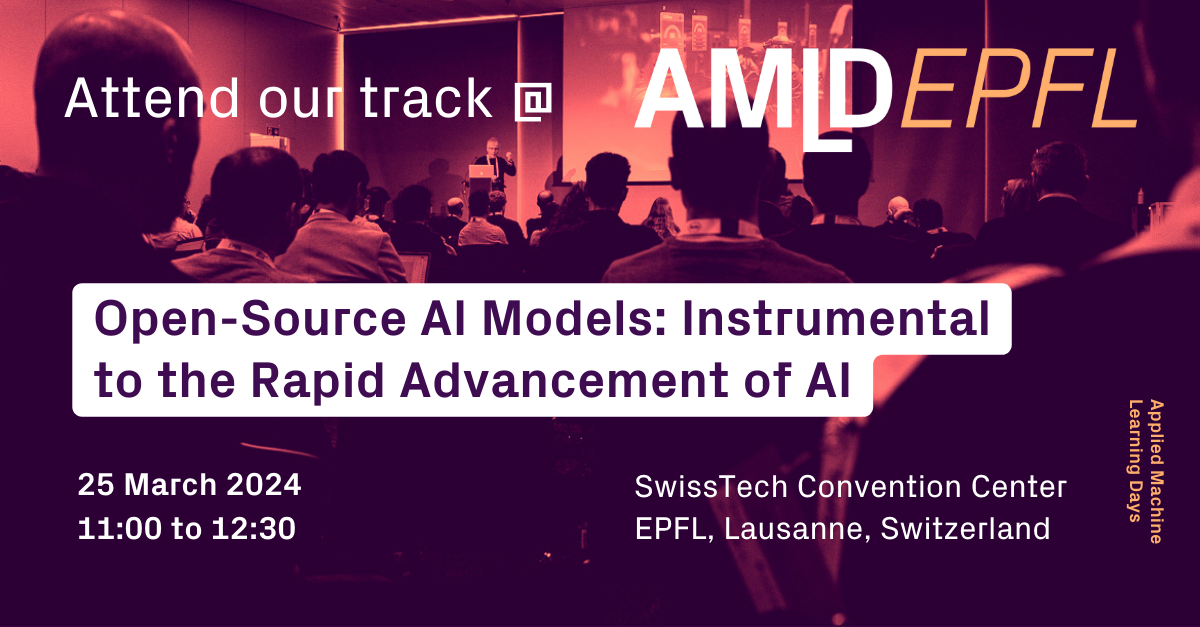
The Open-Source AI Models track draws attention to the pivotal role that open-source AI models play in the responsible development of artificial intelligence and highlights the challenges that this field faces, including ethical and responsible usage of AI models, sustainability, and licensing and legal issues.
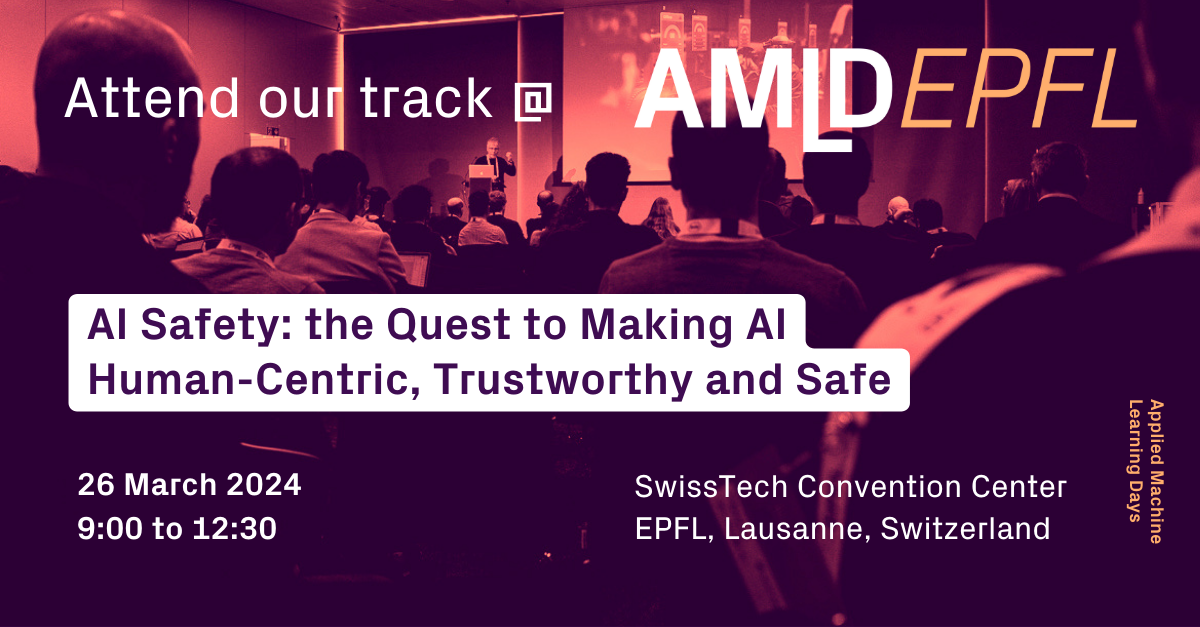
The AI Safety track addresses the pressing need for responsible AI usage beyond sensationalized risks. While global leaders address extreme threats, the track spotlights often-overlooked but crucial challenges, such as bias mitigation, individuals’ privacy protection, generation of inaccurate or fabricated information, and AI alignment with human values. It serves as a platform for experts from diverse fields to share insights, tackle challenges, and suggest solutions for a safer, human-centric, and trustworthy AI future.

By Melanie Kolbe-Guyot, Head of Policy, C4DT It is no secret that we are in the midst of an intense technological rivalry among the great powers of the United States, China, and the European Union; a rivalry that encompasses economic, security, and geopolitical dimensions. The development, control, and weaponization of digital technologies has become (…)
PeaceTech is the use of science and technology to prevent, reduce, or resolve violence and conflict, and to promote peace; emphasizing the need to avoid dual use of technology, where technologies can be used for harmful ends instead than for peaceful purposes. It encompasses research, development and application of STEM (Science, Technology, Engineering, Math to support strategies against violence.
Violence is considered not only in terms of war and armed conflict, but also violence striking civil society by any means – hate speech, cyberbullying, online mis- and disinformation, gender-based violence, and against minority groups.
In an effort to foster the emergence of a multidisciplinary community around data science for scientific discovery, the Swiss Data Science Center and the University of Bern have joined forces to launch Switzerland’s first Data Science for the Sciences (DS4S) conference.
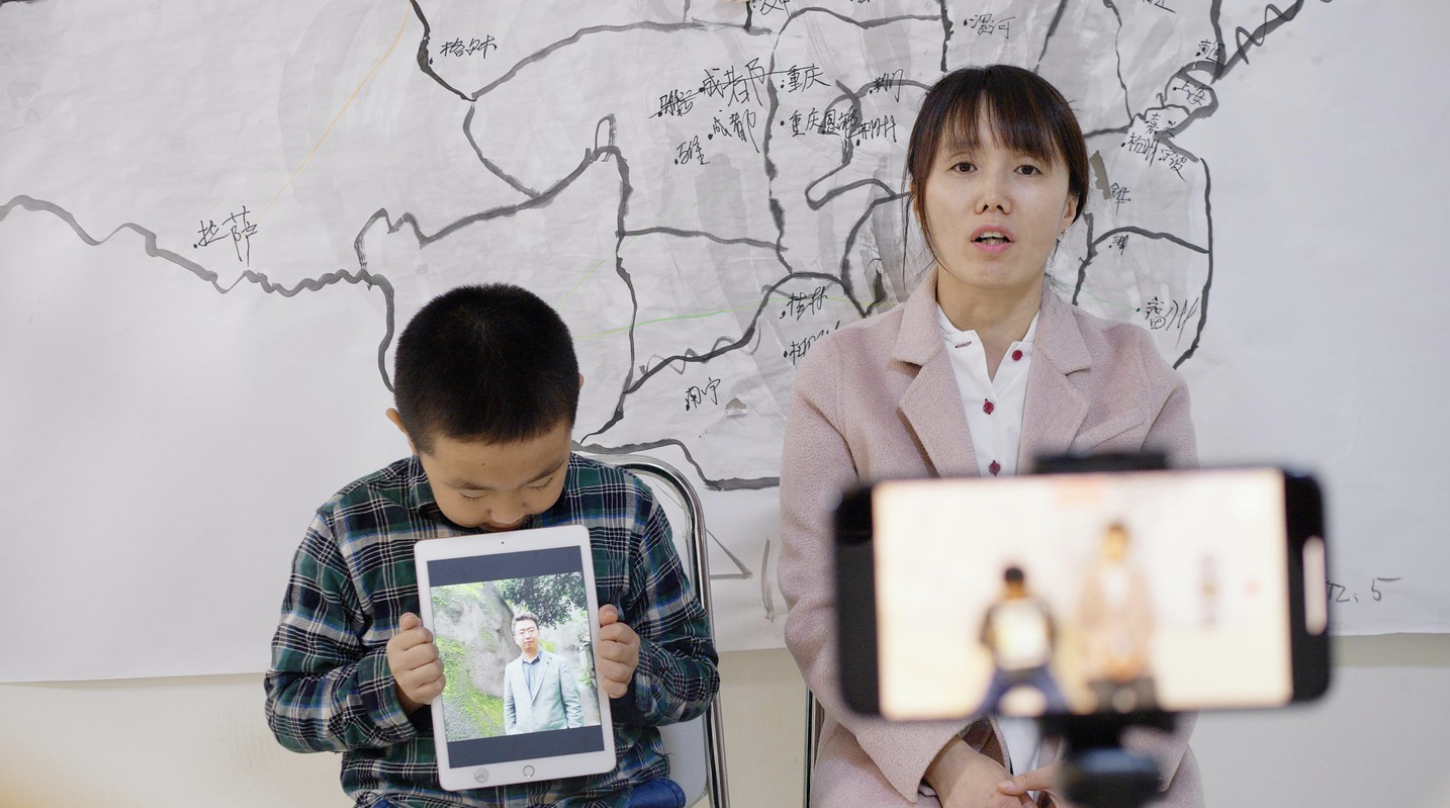
In collaboration with the FIFDH (FESTIVAL DU FILM ET FORUM INTERNATIONAL SUR LES DROITS HUMAINS), EPFL Pavilions and Ingénieur.e.s du Monde invite you to the screening of the film “Total Trust”, a captivating thriller combining suspense, artificial intelligence and moral dilemmas. The film plunges us into a futuristic universe where new technologies and artificial intelligence have become omnipresent.

Max Schrems is a pivotal figure in international data privacy, lauded for his groundbreaking legal efforts to champion individual data rights. Schrems’ expertise in the field of privacy law and his relentless pursuit of transparency within the digital economy have positioned him as a leading voice in the ongoing dialogue on data ethics. The conference will be moderated by Melanie Kolbe-Guyot, Head of Policy, C4DT
The C4DT launches 3 different initiatives to promote and enable trustworthy and sovereign cloud computing. They build on C4DT’s Conference on Trustworthy and Sovereign Cloud Computing, which was held in September 2023 at the Starling Hotel in St.-Sulpice, and discussions with our partners and conference participants.

EPFL Professor Ebrahimi Touradj will be giving a keynote at the Swiss CyberSecurity Days in Bern on February 21st amongst many other high-profile Cyber Security specialists. He will also participate in a panel on misinformation on February 20th.